Online Safety
Online safety forms a fundamental part of a school’s safeguarding and child protection procedures. This ensures that a school’s online measures keep children safe and teaches them about online safety, both in and outside of school. NSPCC (2026).
Online safety at Hayes Meadow is led by James Watts (Computing Lead) and Sarah Sivieri (DSL). Any queries or concerns regarding online safety should be reported to one of the designated members of staff.
Keeping children safe online at school
At Hayes Meadow, we have strict filtering and monitoring systems in place to ensure our ICT systems are protected and secure. Filtering restrictions block all access to potentially dangerous sites and files. This helps to safeguard pupils from harmful online material and provides a safe environment for learning. Monitoring takes place by the Designated Safeguarding Lead and Computing Lead and this allows user activity to be reviewed regularly.
We implement online safety into our Computing and PSHE curriculum. Teachers teach online safety explicitly to highlight the risks of being on the internet and how to use the internet safely.
Below, you can download the knowledge and skills progression overviews for all eight units of online safety. These age-appropriate units are taught clearly through Computing and PSHE lessons. If any misconceptions, concerns or reports arise throughout the academic year related to a specific area or unit of the online safety curriculum, then teachers will ensure to cover the aspect again with their pupils to reinforce understanding of concepts.
 Unit 1 - Self Image and IdentityUnit 2 - Online RelationshipsUnit 3 - Online ReputationUnit 4 - Online BullyingUnit 5 - Managing Online InformationUnit 6 - Health Wellbeing and LifestyleUnit 7 - Privacy and SecurityUnit 8 - Copyright and OwnershipSEND OS powerpointOnline Safety SMART presentationPhotograph Procedures
Keeping children safe online at home
With the increasing number of children using the internet, whether that be for educational purposes, gaming or communication, it is vital that parents and carers ensure to keep their children safe and responsible while using the internet. We encourage you to have open discussions about online safety with your children. As well as school monitoring online behaviours, it is important to ensure that parents and carers are regularly monitoring children’s online activity.
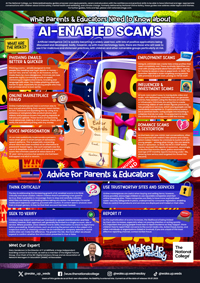
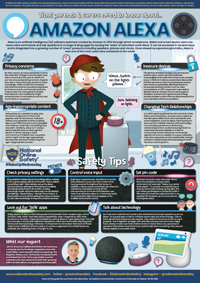
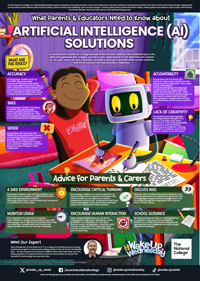
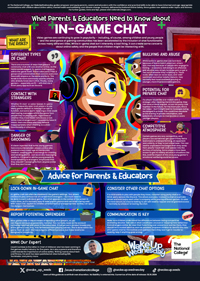
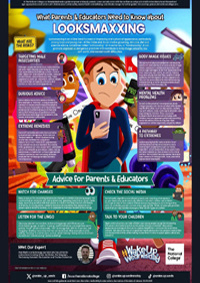
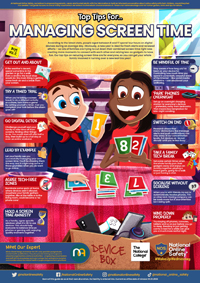
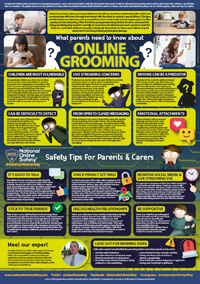
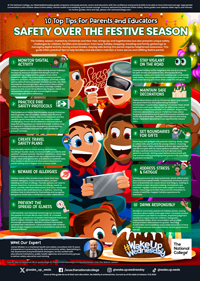
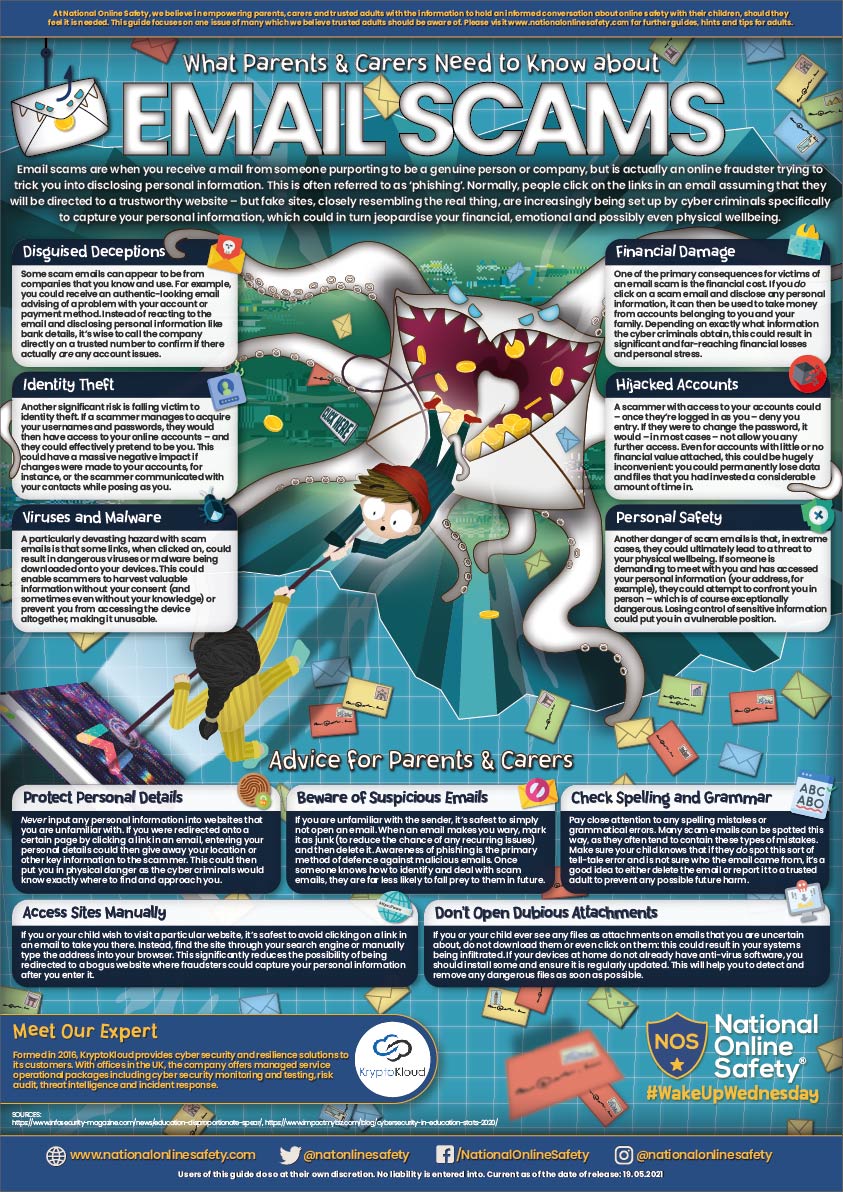
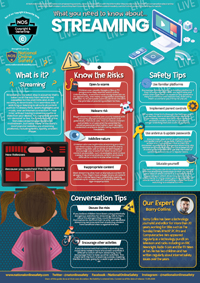
You will find our Online Safety Parental Guides below to help and support parents and carers in educating their children about online safety. The guides cover a variety of areas including social media, gaming, legislation and using technology responsibly.
A Guide to Digital Parenthood